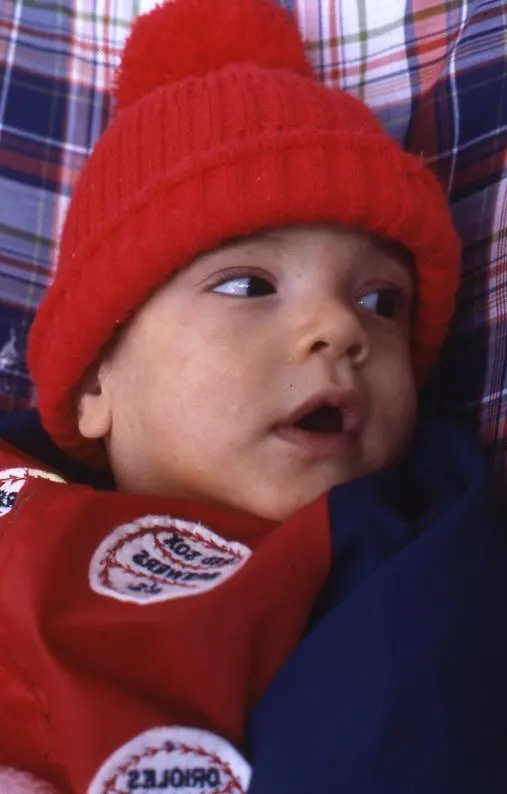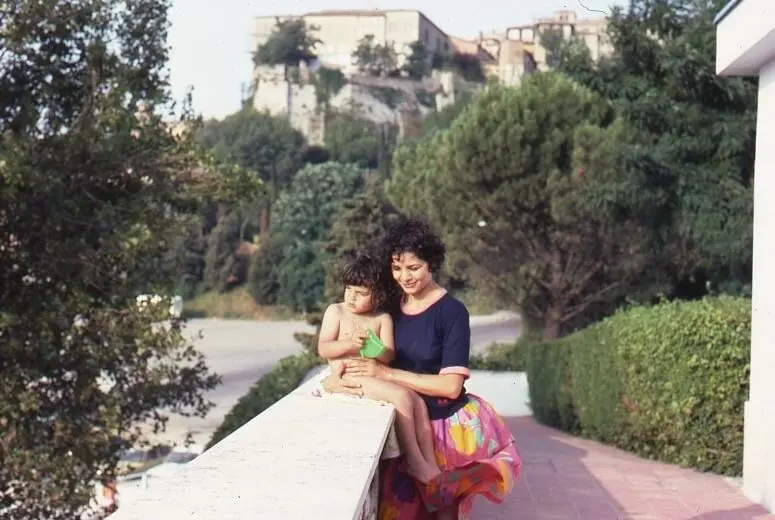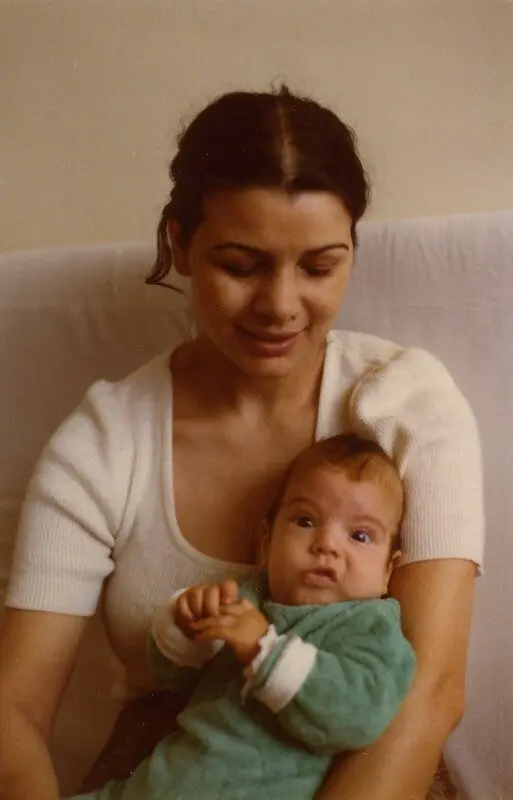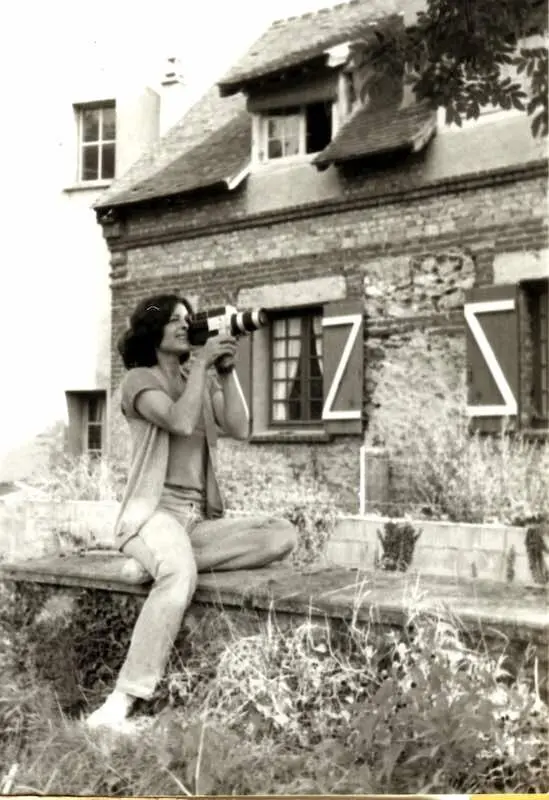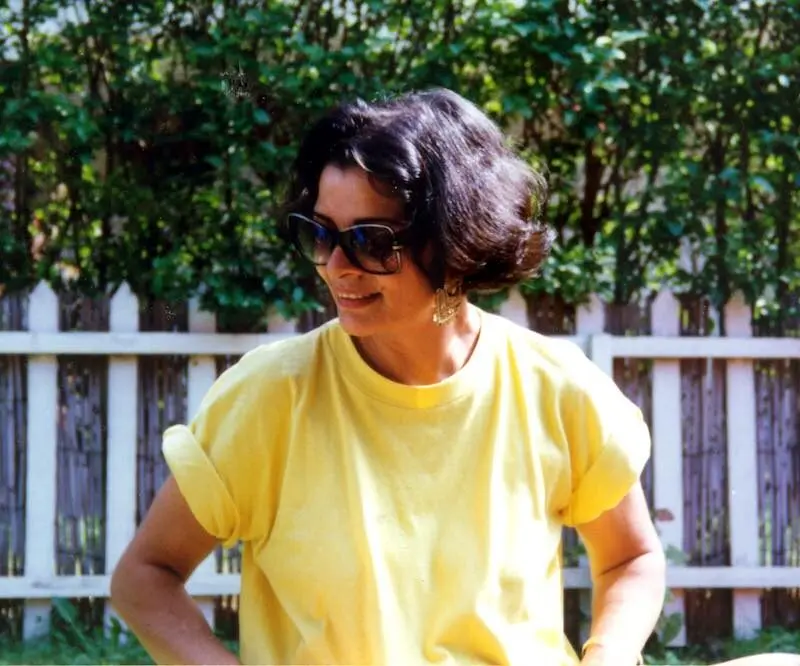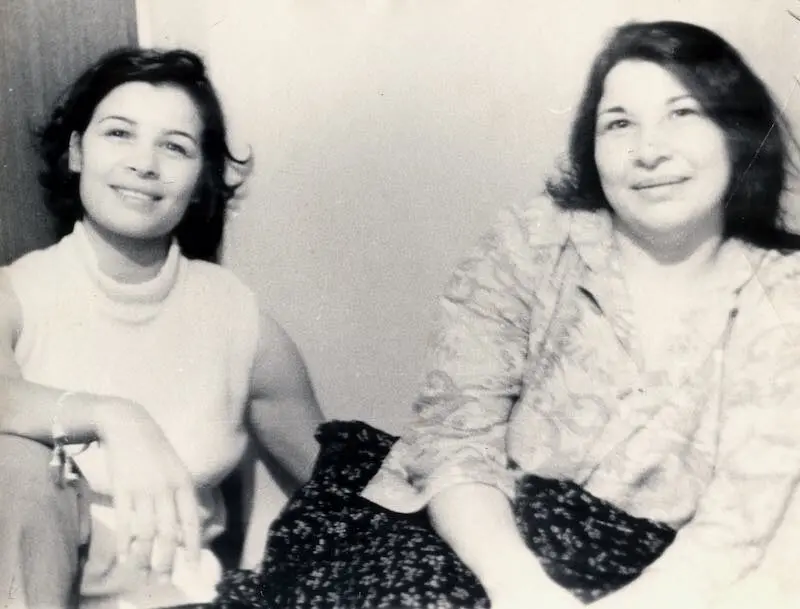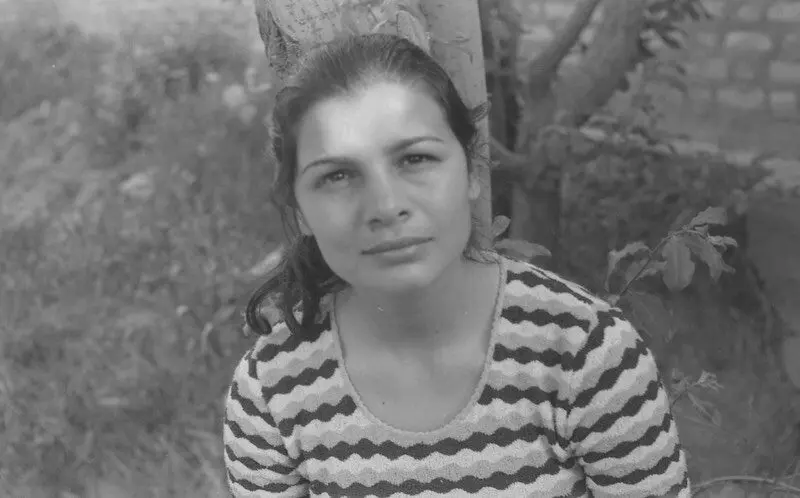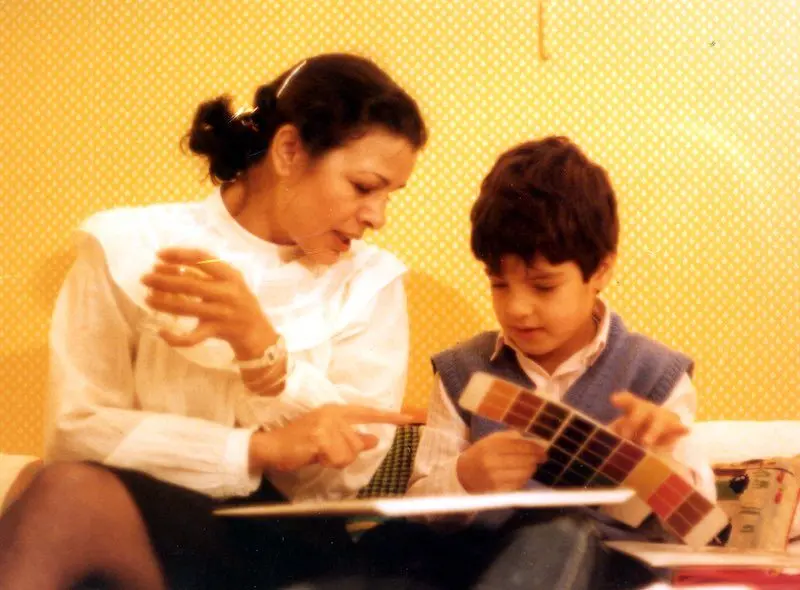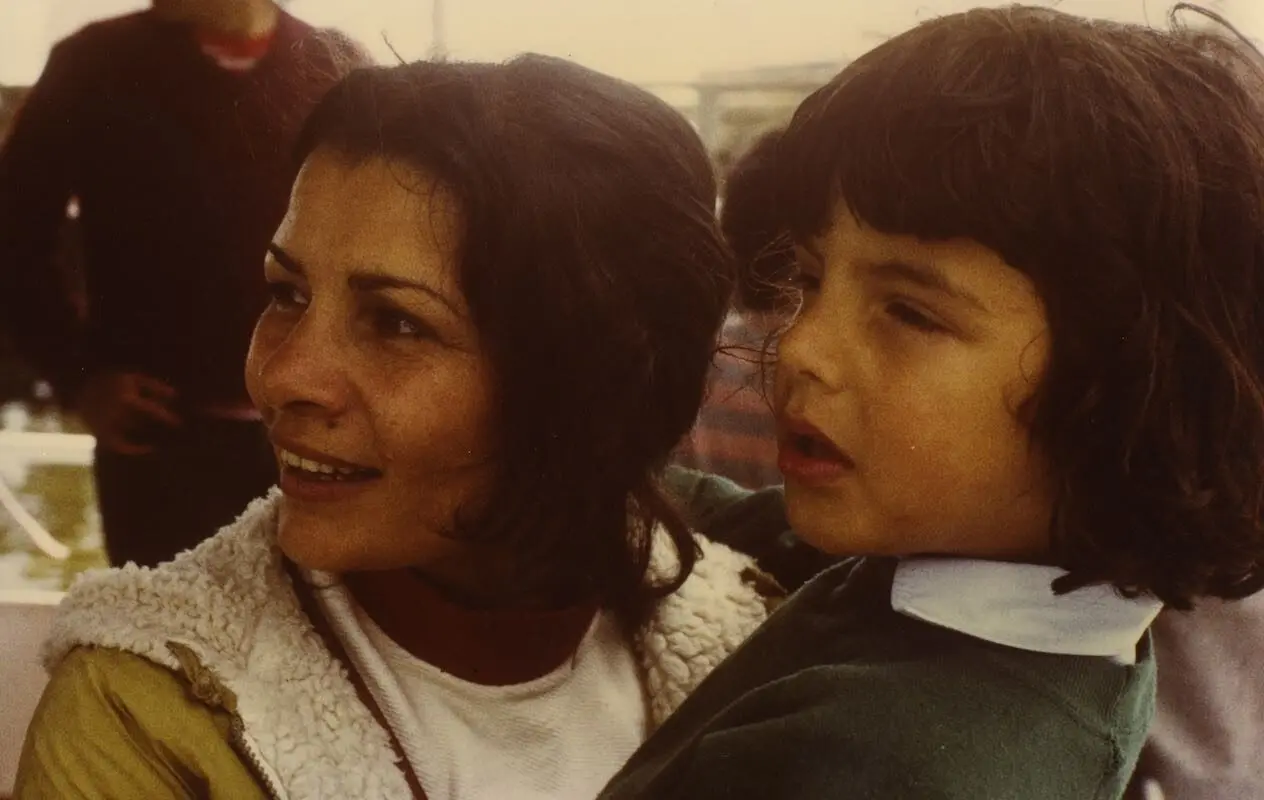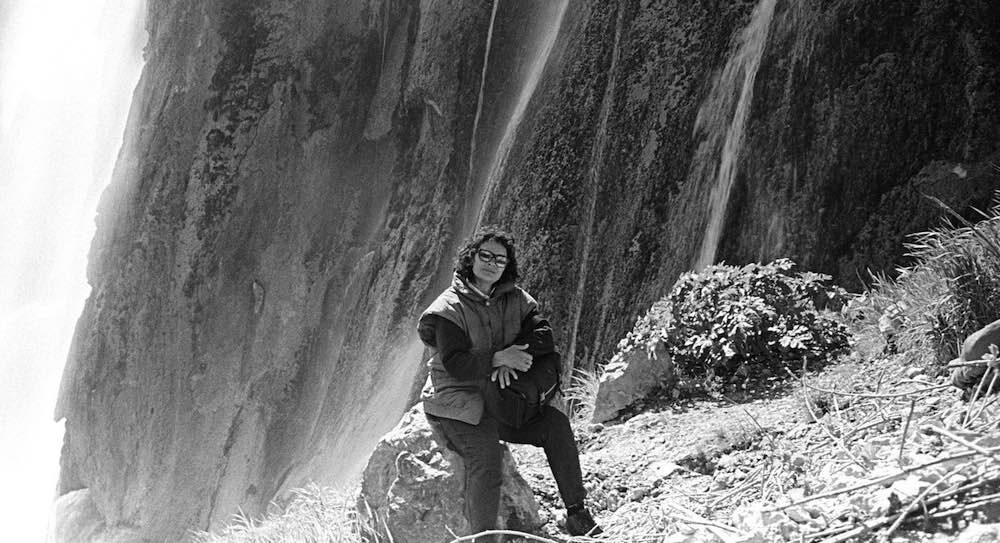
Ziba Kazemi, witness, evidence, catalyst for truth and justice. But, an inconvenient mirror to all.
On the 11th of July 2003, the Government of Iran officially announced the death of Ziba Zahra Kazemi, Canadian photojournalist.
The agents of the Iranian government beat and tortured her because she was faithful to the truth, because she was doing her work.
The Government of Iran thus inscribed, once more, its systematic violation of human rights in the pages of history.
It shrugs its shoulders: it has done this thousands of times before and, with the almost unanimous complicity of the so-called international community and the active participation and cover-up of the Government of Canada, it continues.
Despite the unanimous protest of Ziba Kazemi’s family, her body has still not been repatriated to her home, in Montreal, Canada.
As for the murderers, they’re still governing the country.

Stephan Kazemi is now demanding justice for 23 years while refusing millions of dollars offered behind closed doors.
23 years of lies, hypocrisy and hatred from the Canadian government, its officials and its so-called elected representatives. 23 years of contradiction. 23 years of Canada’s active participation in the cover-up of the crimes of the Islamic Republic of Iran and in the assassination of Ziba Kazemi. For 23 years I have witnessed a strong, unspoken partnership with the theocratic regime ruling over Iran and its people.
For 23 years Stephan has lived with a denial of justice, mocked by politicians. It began with Prime Minister Jean Chrétien, who made scandalous declarations about Ziba’s murder, feigning outrage at her illegal burial in Iran — only to later shake hands, for his own financial interest, with the very same murderers and torturers he claimed to be shocked by, as soon as he left office. This is the same Jean Chrétien who once declared on camera, vividly and with rage: “We are pro-bombing! We support bombing!”
Then came Prime Minister Paul Martin, who also feigned distress at the detailed revelations of torture publicly reported by our witness, Dr. Aazam. His office offered me large sums of money in the name of justice — under the table, supposedly on behalf of the Iranian regime. It was under Martin’s government that Stephan personally obtained permanent residency for the witness and his family, only for them to later be completely ignored and isolated, contradicting the government’s own public statements when it brought them in from Sweden, where they had crossed the border.
Then came Prime Minister Stephen Harper, who publicly stated that torture could, on occasion, be reasonable. His government selected judges who contradicted a previous ruling in my favour, disregarded their own laws, and blocked me from any legal recourse — claiming I had not been “shocked” by my mother’s death, in other words, that it was not a traumatizing experience. My mother’s death followed 72 hours of torture, according to the Iranian regime’s own official reports — details I had to relive in full in order to bring the story to the public.
Then came Justin Trudeau, who should have faced consequences for his own conduct — not to mention his senior adviser, who had once been my lawyer.
Under Prime Minister Mark Carney, it has now been 23 years since the headline made news around the world: rape and torture of Ms. Zahra Kazemi. It has been 23 years, yet it feels like yesterday — nothing has changed in terms of justice; if anything, things have grown worse.
The details of this odious crime were revealed to the Canadian public and to the world. It happened, in the most horrific circumstances, to a remarkable and sensitive citizen — an intellectual, an artist, a mother — who had devoted the last decade of her life to reporting, with such generosity, on the lives of people around the world.
For 23 years, the governments of Canada and Iran have covered up these atrocities, despite how clearly and precisely they were revealed, despite overwhelming coverage from mainstream and independent media alike. Scholars have carried the story into schools and universities. These governments — Canadian and Iranian — are, in effect, sustaining a culture of impunity, where lies and violence rule.

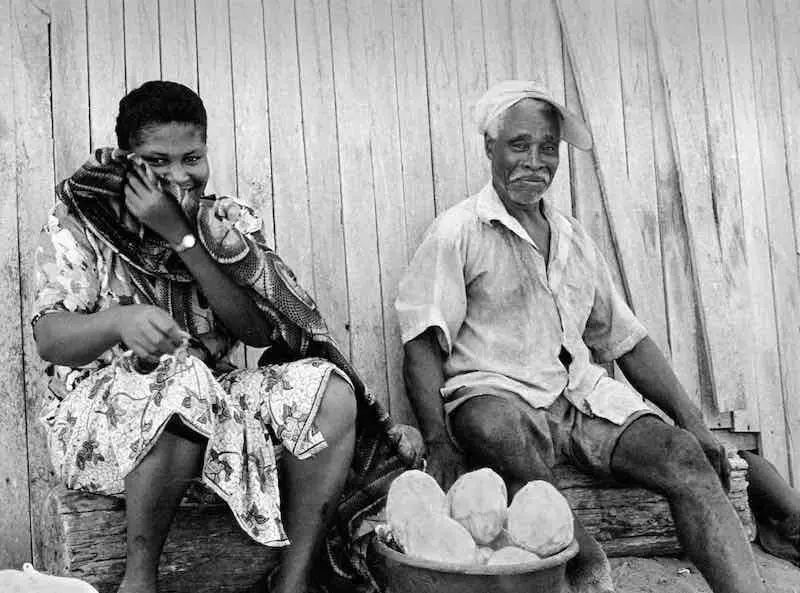
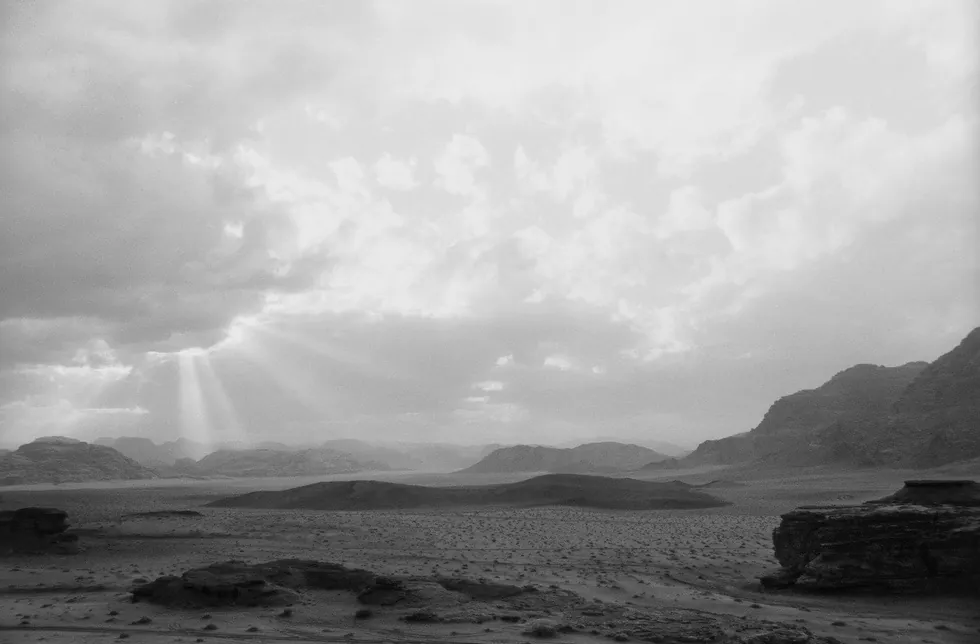
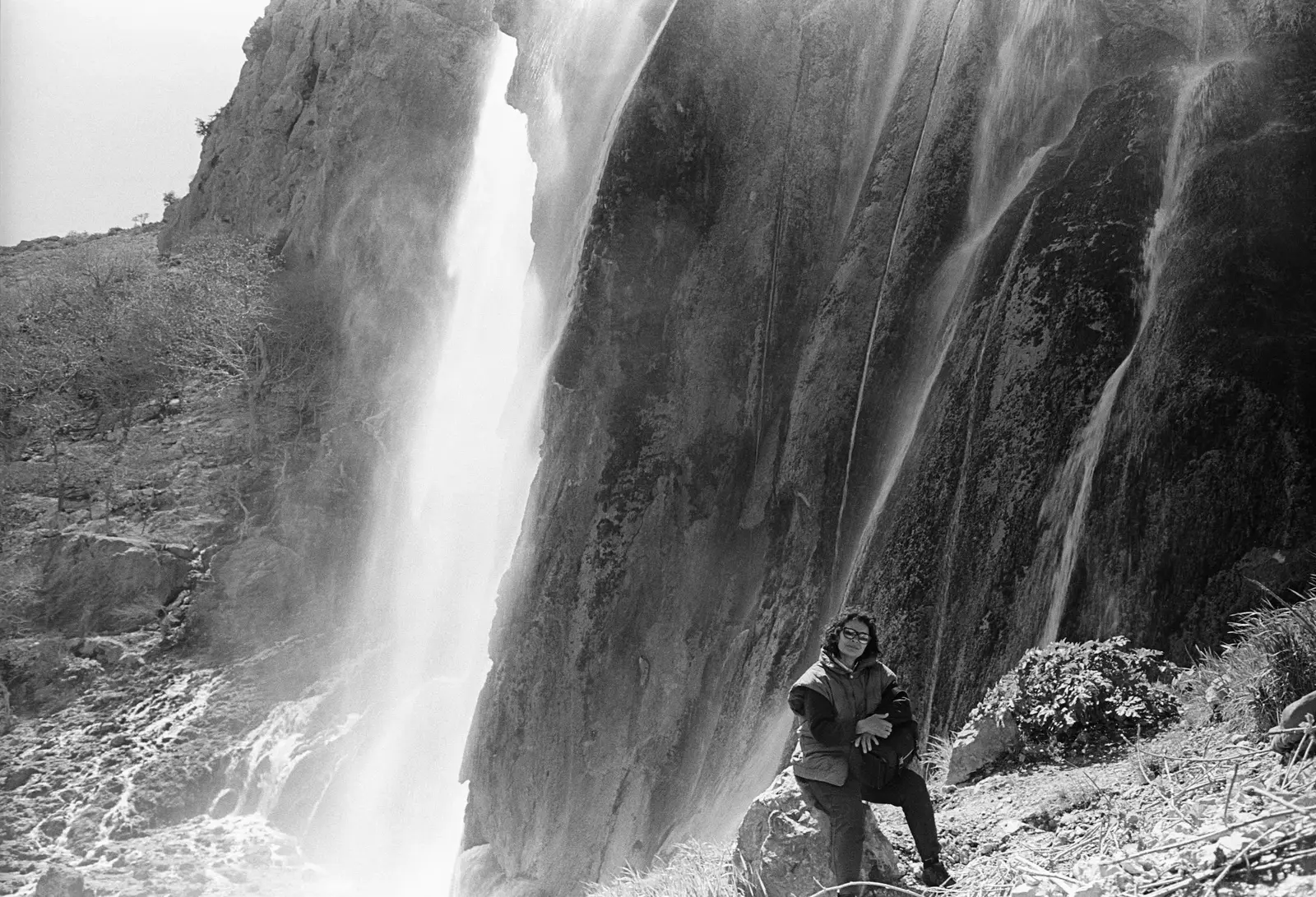
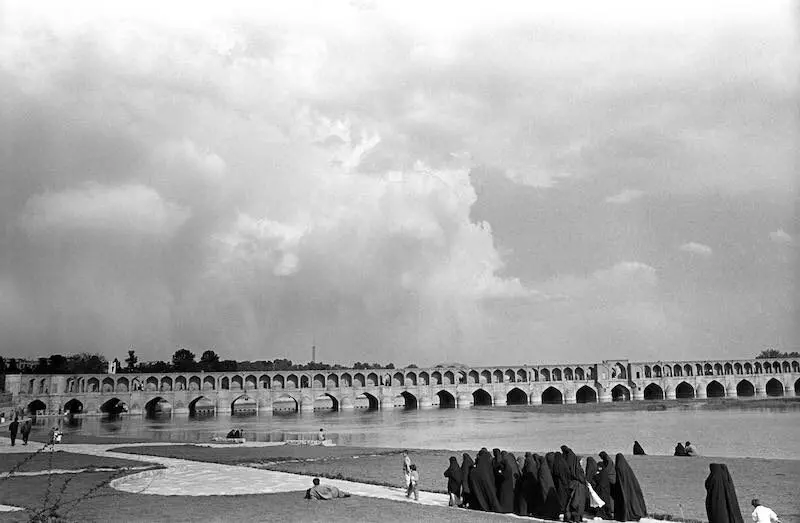
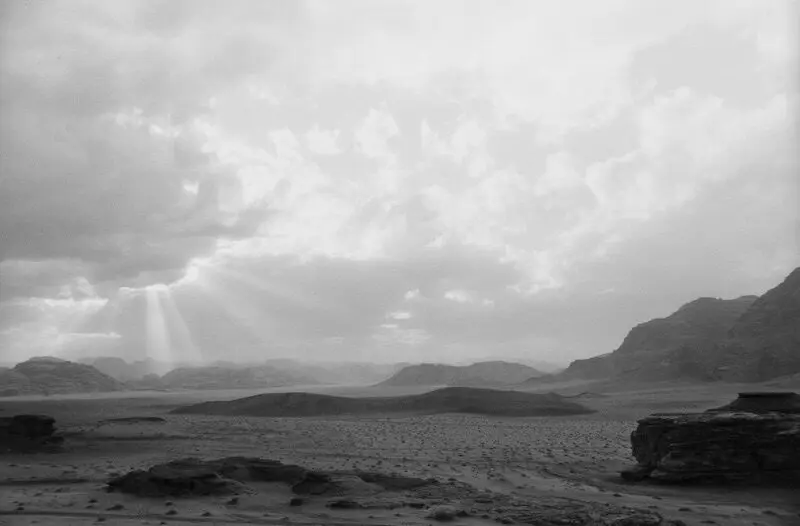
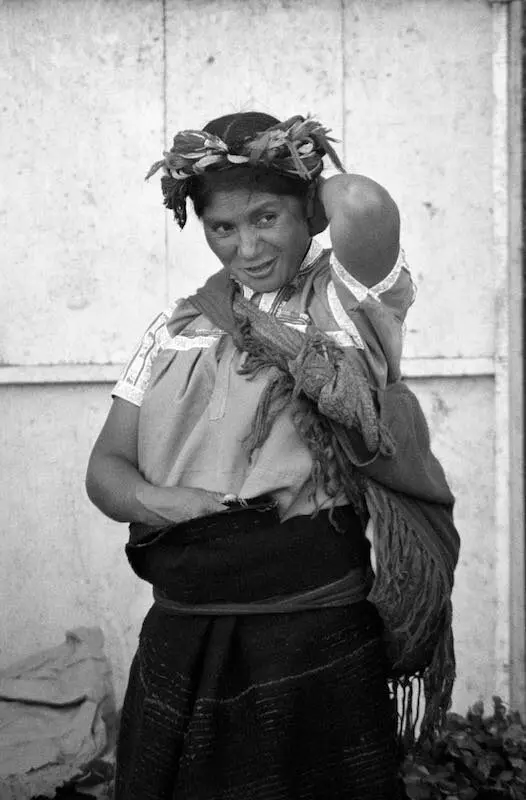
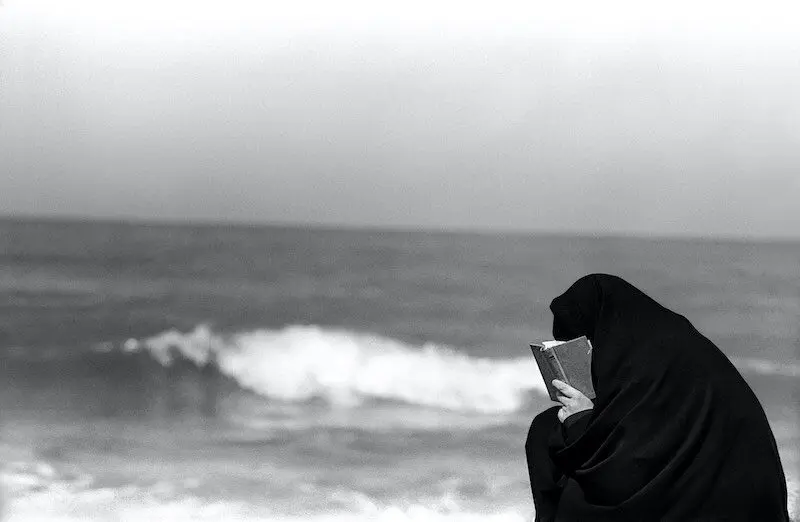
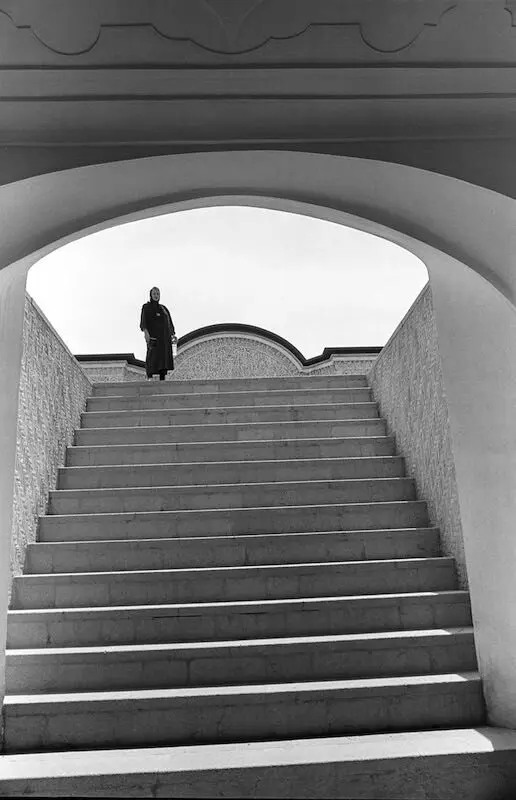
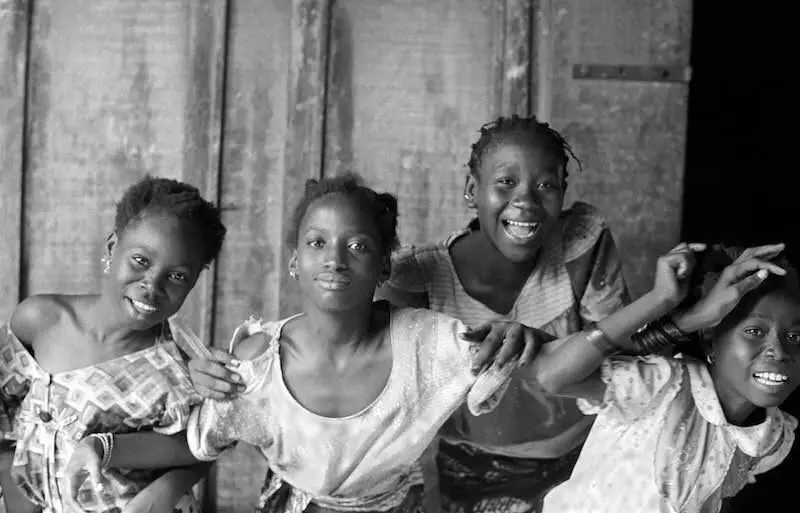
Ziba never recognized the legitimacy of the Iranian government. She never returned to Iran after leaving it in the early 1970s. It was only as a professional photojournalist that she tactfully re-entered the country twenty-five years later — just as she had entered more than twenty other countries before it, across the Middle East, Africa, the Caribbean, Central America and Eastern Europe. She simply documented everyday people, and the victims of war and oppression.



Dr. Shahram Aazam, Staff Physician of Security forces, on December 28, 2002 was referred to work at Baghiatolah Hospital as an emergency physician (ref # k/612/80/216/23). He started work on January 21, 2003.
In the first night of Ms. Zahra Kazemi’s hospitalization, I was the emergency night doctor on duty. My presence that night is documented in the nursing report dated July 26, 2003, and numbered J-00-D-75.
In view of Ms. Zahra Kazemi’s inhuman treatment, and considering the Islamic Republic authorities’ efforts to swiftly bury her to conceal the evidence of torture, and considering that I had been the resident physician on duty on June 26, 2003 and her examining physician at the hospital, I consider it my moral and human duty to give testimony and to report my observations to international human rights organisations regarding the injuries inflicted on her through torture, assault and battery, and, in doing so, to play a small role in exposing the inhuman nature and rapacity of the Islamic regime. I therefore implore all free-thinkers active in connection with Ms. Ziba Kazemi’s case to assist me in presenting my testimony and keeping this case alive until it reaches the conclusion it deserves — the condemnation of the oppressive regime of the Islamic Republic. I submit below a summary of Ms. Zahra Kazemi’s clinical file, including her clinical assessment on admission and the treatment she received during the first seven hours of her hospitalization.
Clinical report
The patient is a 54-year-old female.
C.C.: The main complaint is vomiting blood following a nosebleed.
P.I.: According to those accompanying the patient and the referral sheet from the prison’s clinic, the patient vomited following a nosebleed and had an altered level of consciousness for some hours.
Clinical examination: Patient is in a coma and responds only to painful stimulation.
Head and neck: Ecchymosis in the right frontal and temporal areas resulting from a blow. Left occipital inflammation and fluctuating haematoma. The nose bone is fractured. Ecchymosis around the nostril bone and orbital rim. Watery, bloody discharge from the nostril. Evidence of epistaxis (nosebleed).
Eyes: Pupils in normal state with normal reflex to light. In funduscopic [ophthalmoscopic] examination, oedema is observed due to a rise in cerebrospinal fluid pressure.
Ears: Ecchymosis in the temporal area extending to the ear canal, causing narrowing of the canal during examination as well as difficulty examining the tympanum [eardrum]. The left tympanum is normal, but the upper section of the right tympanum is completely fragmented/crushed, with the ossicles exposed.
Neck: Deep, parallel linear abrasions — three lines observed on the back of the neck. Examination of the cervical vertebrae shows no injuries.
Chest: Expansion of the lungs is asymmetric. Ecchymosis and crepitation [crackling] of the chondro-costal joints in the area of the fifth and seventh ribs may indicate a possible fracture. Ecchymosis and several linear, strip-like wounds on the back. Auscultation of the lungs reveals no pathological injuries. Auscultation of the heart shows a sinus rhythm with no murmur or extra sounds.
Abdomen: On examination, the abdomen is soft with no mass. The liver is felt 2.5 cm below the costal margin. Ecchymosis in the left lower quadrant.
Pelvic area and genitals: Extensive ecchymosis in the pubic area, spreading to the thigh and groin. Trauma to the genitals was reported by the nurse during catheterization.
Back: In the area of the buttocks and sacrum, ecchymosis measuring 7.5 cm diagonally.
Extremities: In the upper extremities, extensive ecchymosis on the back of the right arm extending nearly to the shoulder; fractured second and third phalanges of the right little and middle fingers. Ecchymosis on the back of the left forearm up to the wrist; the last phalanx of the left middle finger is fractured; broken nails on the left index finger and thumb.
Lower extremities: Ecchymosis present on the groin of the left thigh, extending to the anterior thigh. Swelling of the right knee joint with ecchymosis behind the knee. Crushed and fractured right big toe and nail; left third and fourth toes and nails fractured; ecchymosis on both soles of the feet. Ecchymosis and linear wounds measuring 7–9 cm in length on the back of the lower legs (three lines on the right, five on the left).
Neurological examination: Intensified tendon reflexes.
Prescribed treatment: Nasogastric tube placement for gastric lavage was difficult due to the fractured nose. The aspirate contained no blood, probably indicating that the bloody vomit was due to blood swallowed from the epistaxis.
At 2:30, the patient was moved to the relevant unit for a scan. The scan showed a skull fracture as well as a severe right temporal cerebral haematoma, with contusion and swelling resulting in compression of the right ventricle.
Neurosurgical consultation: Dr. Ahmad Sadidi examined the patient at 3:25. Based on the neurosurgeon’s diagnosis of sub-arachnoid haemorrhage with severe brain oedema caused by trauma, Dexamethasone injection and Mannitol infusion were prescribed.
At the end of my shift, at 6:45, the patient’s general condition was unchanged, but the coma had deepened and the patient was no longer responding to painful stimulation.
At 10:30 on June 27, 2003, the patient suffered a pulmonary arrest and required life support; she was transferred to the intensive care unit. At 13:00, brain death was confirmed.
A haematoma is a collection of blood, generally the result of haemorrhage; haematomas can present as bruises (ecchymosis) but can also develop within organs.
A nosebleed, medically known as epistaxis, is a relatively common condition in which there is haemorrhage from the nose, usually noticed as it drains through the nostrils.
A nasogastric tube is a plastic tube inserted through a nostril, down through the throat and oesophagus, and into the stomach.
The occipital bone is a bone situated at the back and lower part of the cranium.
Subcommittee on International Human Rights of the Standing Committee on Foreign Affairs and International Development
Ladies and gentlemen, I would like to thank you for your kind invitation to appear before the Committee to discuss my experience which, to a great extent, is the same as that of my mother, Ziba Kazemi, as she was known to her friends and to me.
I want to begin by saying that preparing this brief was a painful exercise. Too often, I have come up against the indifference and incomprehension of others, who are incapable of imagining the pain that I felt and that I still feel, almost six years later. Too often, the harm caused by the loss of a mother and of her love, in such tragic circumstances, seemed to escape the people I was addressing.
And yet, writing this brief, one action out of so many others, also gave me tremendous satisfaction, because seeing that justice is done is really my only concern. As I see it, where there is no justice, there can be no peace.
When I arrived in Canada in 1993 from France, where I was born, with my mother, Ziba Kazemi, an expression used here struck both of us and got us talking: « C’est pas pire » or, literally, « It isn’t worse ». It is a popular expression. Well, my message today is simple: when it comes to torture, there is nothing worse.
Is that obvious? And, if it is obvious, how can Canada give immunity to torturers? What sovereignty-related pretext could justify a decision not to bring to justice people who take extreme measures to torture their fellow human beings, who wound and bruise the human body? To what extent can these rules and precepts be disembodied, dismembered, even detached from human reality, in order to guarantee impunity to those who would mutilate, burn or cut apart this body and this heart that we were given?
My mother was a professional photojournalist. Through her art, she wanted to inform, connect with and educate people. She gave a voice to the people of those countries she focused on — she even gave them hope. Her greatest desire was, and I quote: “to put an end to the quasi-unanimous silence of the international community, when one country legalizes torture and the other legislates absolute power; to break the silence of some and the brainwashing of others.”
With me today are my lawyers, who will be able to answer any legal questions. However, my testimony today is of a more personal nature, and is intended to perhaps put a face on the tragedies experienced by millions of people every day in silence, far from the cameras, too often forgotten.
So, I am her son. I am the one who shouted, who protested, seeking justice. The one who refused to wait passively for diplomatic notes to produce an effect. I am the one who wanted the entire world to know what happened to my mother, and that our government and our laws too often betray us, unworthy of the memory of a mother, her son and a country of openness and respect that welcomed them some years ago.
I would like to quote a brief passage from something written by my mother, Ziba, about her country of origin, Iran:
“For 20 years now, Iran has been transfigured as horrified and dazed children looked on. They see their country bending under the weight of the political illiteracy so deeply entrenched at the very pinnacle of the power structure and which despoils their fortune even as the population multiplies. Iran, an ancient country built around a mosaic of racial, cultural, linguistic and religious diversity. Iran, stretched across a vast land of riches and with a geopolitical status of great significance, the same Iran that nourished the dreams of so many creators and sensitive souls and which now strikes terror in the hearts of its citizens.”
So, here I am, almost six years after my mother’s violent kidnapping by the Iranian government. After throwing her in prison, slapping her, bruising her, beating her, depriving her of her dignity, and then murdering her, the members of the Iranian government buried her six feet under.
Before the death of my mother, and even in the days and weeks that followed, I was very naive — naive, like others, who believed that the government of a country is responsible for protecting its citizens. Today, I am aware that, in real life, that ideal has many limitations, limitations which flow in part from a lack of political will, including inside the Canadian government. In fact, too often, the best interests of the government take precedence over the freedom, or even the lives, of the individuals who are citizens of that country.
I understand that you asked me to appear today to tell you about my feelings and my experience in this regard, and to discuss legislation that we have here in Canada which gives governments, as well as their brutal, bloodthirsty officials, complete immunity in relation to their victims. So, there you have it: that is the impression and the feeling I have been living with for five and a half years — that of a government that has made, and continues to make, clear that it could not care less. Not only were its initial efforts in vain, but it resists and expresses opposition to action taken against the Iranian authorities, preferring instead to support enforcement of the State Immunity Act in relation to Iran and its officials.
Thus far, I have sacrificed many — indeed, some of the best — years of my life, simply to make an example of this case, of my experience, and especially Ziba’s, so that these kinds of events never occur again. I am proud to take my personal responsibilities in this affair, and I would like to see the federal government do the same, be it in relation to my mother’s cause or in terms of the actions it can take to ensure respect for human rights internationally, both in Iran and elsewhere on the planet.
The Office of the United Nations High Commissioner for Human Rights, as well as the Committee against Torture, recently strongly recommended that the Government of Canada allow victims of torture to seek redress before Canadian courts of law. The relevant documentation can be found on the website of the Ziba Kazemi Foundation — zibakazemi.org. There you can also find the report of the Special Rapporteur on the right to freedom of opinion and expression in Iran, Mr. Ambeyi Ligabo. He devotes several pages to my mother’s case and emphasizes the climate of impunity that prevails in Iran — a climate that we reinforce by maintaining that same immunity here in Canada.
Indeed, some time after the release of his report, the Special Rapporteur joined with other UN special rapporteurs to make the entire world aware of their deep concerns with respect to the climate of impunity that has yet to be resolved — the same climate in which the worst human rights violations continue to be committed.
I have expressed to you my bitterness and my feeling of helplessness, but I am also aware of, and very much appreciate, the flowers that have sprouted even in the midst of this field of misery. I am talking about our system, the Canadian system — about laws and mechanisms that work and that are there for the people, and about the flowers these same people have planted all along my path. I now believe deeply that the time has come to plant a new flower — that it is time for justice to be done for the worst victims of this world. It is time to send a clear, concise message to the world at large: that we, the people of Canada, will not tolerate torture.
I would like to see Canada take a leadership role, so that torturers everywhere know they might one day have to face their victims, and possibly lose a commercial shipment or two as compensation for the pain they have inflicted. A futile move? No — these executioners, be they in Iran or elsewhere, often understand only one language: the language of dollars and cents. By allowing their victims to receive compensation through Canadian courts, we hit these people where it hurts them most. We will not cure them so easily, I fear, but ending the immunity they currently enjoy will gradually force them to stop doing what they are doing. Is there any greater disincentive than the certainty that you will have to answer for your actions?
What I am seeking is justice. That is obviously not a matter of money for someone who has been fighting for more than five years, standing before the gates of Hell — I, who have been living from day to day with my every thought and every emotion focused on this affair. I consider it my mission to make a significant contribution to justice, in light of my own experience, and to turn a tragic event into the seed from which will sprout millions of flowers — a living monument to my mother’s memory.
Finally, at every step along this path, alongside the failures, there has been one tremendous victory: the people. We have had the chance to reach out and touch the hearts of people. Even years after this tragedy, I am still receiving words of encouragement, greetings, letters and tributes from people whom I do not know but who, like me, believe in goodness, in truth and in justice — who believe in my mother, in me, who have not forgotten us, and who look to us still.
Even though justice has eluded us thus far, and even though, in spite of the beauty and perfume of the other flowers in our midst, justice remains unattainable, we, the people, still believe in it and want to breathe new life into it. Justice that does not serve the people is no justice at all — it is justice that is sick and unbalanced. In Canada, justice too often means allowing citizens to be tortured with impunity. That is the reality; those are the facts.
Ladies and gentlemen, thank you for allowing me to take some of your precious time today. I hope to meet with you again, in the near future, in a world where there is no fear — a free world, a world that can begin right here, in Canada.

Two months and a half ago, a journalist contacted me, seeking my reactions to comments by your Minister of Foreign Affairs on Tuesday, January 11th.
These comments were made in the context of the release of a report by an Iranian Parliamentary Committee implicating the former Attorney-General of Tehran, Saeed Mortazavi, in the death of three prisoners arrested during the protests which followed last summer’s contested elections. In response, the Minister reiterated Canada’s demands that Iran repatriate the body of my mother, Ziba Kazemi, and hold an independent inquiry into the circumstances of her arrest, detention and death at the hands of Iranian authorities in July 2003.
I learned of these remarks with bitterness and repugnance. While successive governments in Ottawa, yours and your predecessors’, have, for six and a half years, proclaimed their indignation over the actions of the government of Iran and the impunity which those responsible for my mother’s murder still enjoy, your government continues to oppose the judicial proceedings which I have launched here in Montreal against the government of Iran, and which aim precisely to obtain the repatriation of Ziba’s body to her adopted country, to fully examine the circumstances of her arrest and death, and to force those responsible for these actions to face justice.
The response of Canadians from all backgrounds to the recent hearing in this case has, on the other hand, been marvellous. The last day of the hearing, set to determine my right or not to obtain justice before a domestic court for the murder of a Canadian, will take place on March 8th, a highly symbolic date. As this day is coming, I wanted to object to your position, asking you to act to ensure that the last obstacles standing in the way of the search for justice are cleared — in particular, the State Immunity Act, which could just as well be called the State Impunity Act. If the doors to the courts of Canada are closed to us, there will no longer be any place in which to obtain this much sought justice, since the Iranian justice system has proven, many times over, its powerlessness and incompetence in this matter.
My mother Ziba’s case is without precedent. Not only is it the first time in its 31 years of existence that the Islamic Republic of Iran has been brought before a court of justice to answer for vile crimes committed against a citizen of our country, but it is also the first time that it has taken a case seriously enough to retain local lawyers to represent it. It is also the first time that the public seems to be engaged and mobilized, both in Canada and abroad, as the media coverage here and elsewhere indicates. And for good reason. The story of Ziba is the story of a woman, still young, an artist, film-maker, photographer, journalist, humanist, mother, who lived here, and who is no longer; whose life was stripped from her in the most horrific way possible, without any legitimate reason, by acts of absolute viciousness and brutality.
I would like to ask you: what was my mother’s citizenship worth if those responsible for her death cannot be called to account for their actions before a Canadian court? Was the welcome she was given 17 years ago, when she became a citizen of this country, really sincere? Didn’t she fully honour the good fortune and opportunity offered to her by Canada, particularly through her work as a photojournalist, which brought her to Haiti, Palestine, Israel, Afghanistan, Mexico, Iraq, Syria, Jordan, Iran, the African continent and many other places, where she proudly exhibited the values of her adopted country, values that she shared?
The government of Iran, which in its torturous and murderous ways is entirely responsible for the torture, rape and murder of my mother Ziba, has tried to cover up the affair since 2003 — literally, to bury it. By opposing the pursuit of justice in the only forum where justice is possible, is your government not participating in this cover-up? Isn’t it supporting the executioner’s actions?
But there is more. Why has Canada systematically refused to bring Iran before the International Court of Justice for this clear violation of international law standards of the highest importance? Your party formerly insisted, when it was in opposition, that the Canadian government should bring such proceedings. I still recall the indignation of your spokesperson Peter MacKay at the time. Was this indignation a sham? Why has your government not put into practice the fine words of its members before they took control of the country?
By what right and for what reasons have you systematically refused the demands of UN agencies, particularly the Committee against Torture, which require the establishment of an exception to the State Immunity Act for cases of torture, so that immunity can no longer be invoked when such barbarous acts have occurred? Would you support the impunity of torturers, or worse still, torture itself?
Why condemn the government of Iran at the UN in December, when no practical consequences flow from such resolutions, while you refuse to take a concrete step before March that would make a real difference?
Your Minister of Foreign Affairs has repeated the demand to repatriate the body of my mother to Canada on innumerable occasions. Why would the Iranian government listen this time, when it has for so long turned a deaf ear and mocked Canada before the world? What kind of diplomacy is this? Haven’t Canadians and your ministers had enough of being insulted, threatened, lied to and manipulated?
Mr. Prime Minister, it is never too late to do good and assume your duty:
- Adopt the recommendations of the UN Committee against Torture and modify the State Immunity Act to exempt torture, genocide, war crimes and other crimes against humanity;
- Demand the immediate repatriation of Ziba’s body by expelling the Iranian Ambassador in Ottawa, by way of demonstrating that you are serious; and
- Issue international arrest warrants against the criminals responsible for the death of my mother.
It is a matter of your responsibility as Prime Minister of Canada to respect the right of all citizens of this country, including my mother, to have access to justice. Had your predecessors or you done as you should have, I could have celebrated the life of Ziba instead of dwelling on her death; I could have made her legacy known to more people through the Ziba Kazemi Foundation, rather than having to confront this government myself and incur significant legal fees in the process.
The spirit of the Iranian people is now awakening. It is everywhere. It is this which drove my mother to act with honour and dignity, integrity, bravery and love, not only in the last moments of her life, but throughout her whole journey. I am Ziba Kazemi, like all who so generously support us. I will always be there; we have always been, we the people, the innocents, on our simple and benign journey.
Hoping to convince you to act as duty requires,
Stephan Kazemi